
Joseph Pilates wrote in his book:
“Ideally, our muscles should obey our will. Reasonably, our will should not be dominated by the reflex actions of our muscles.”
Let’s think about what that means.
Here are two thoughts I had:
Being strong is not the same as knowing how to use your strength.
Being flexible is not the same as knowing how to use your mobility.
Strength and flexibility are physical capacities. They are important. But just having them doesn't necessarily mean that you know how to organize your body well when you move.
That requires something else:
Body awareness.
Body awareness is your ability to sense and understand where your body is, how it is moving, and how much effort you are using.
Can you recognize when your shoulders are unnecessarily tense?
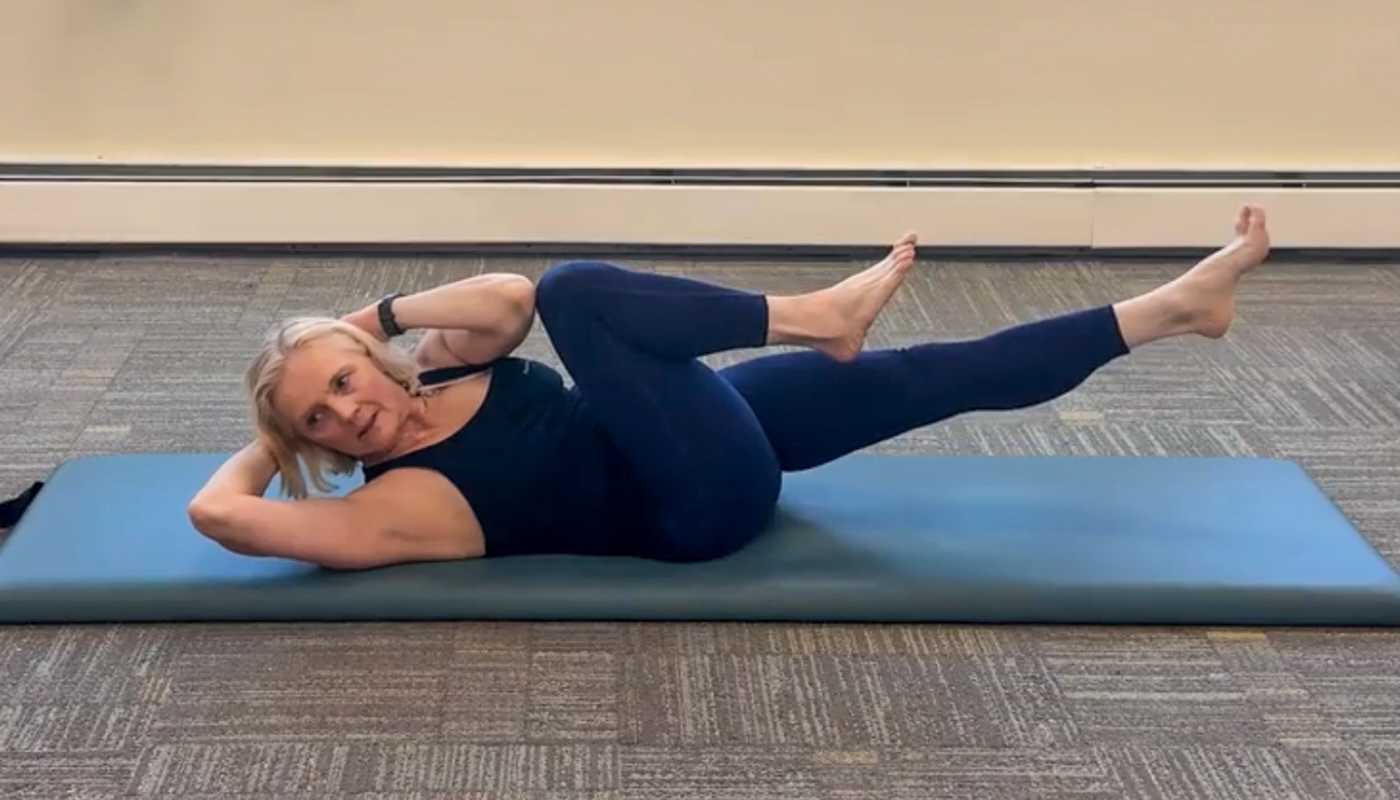
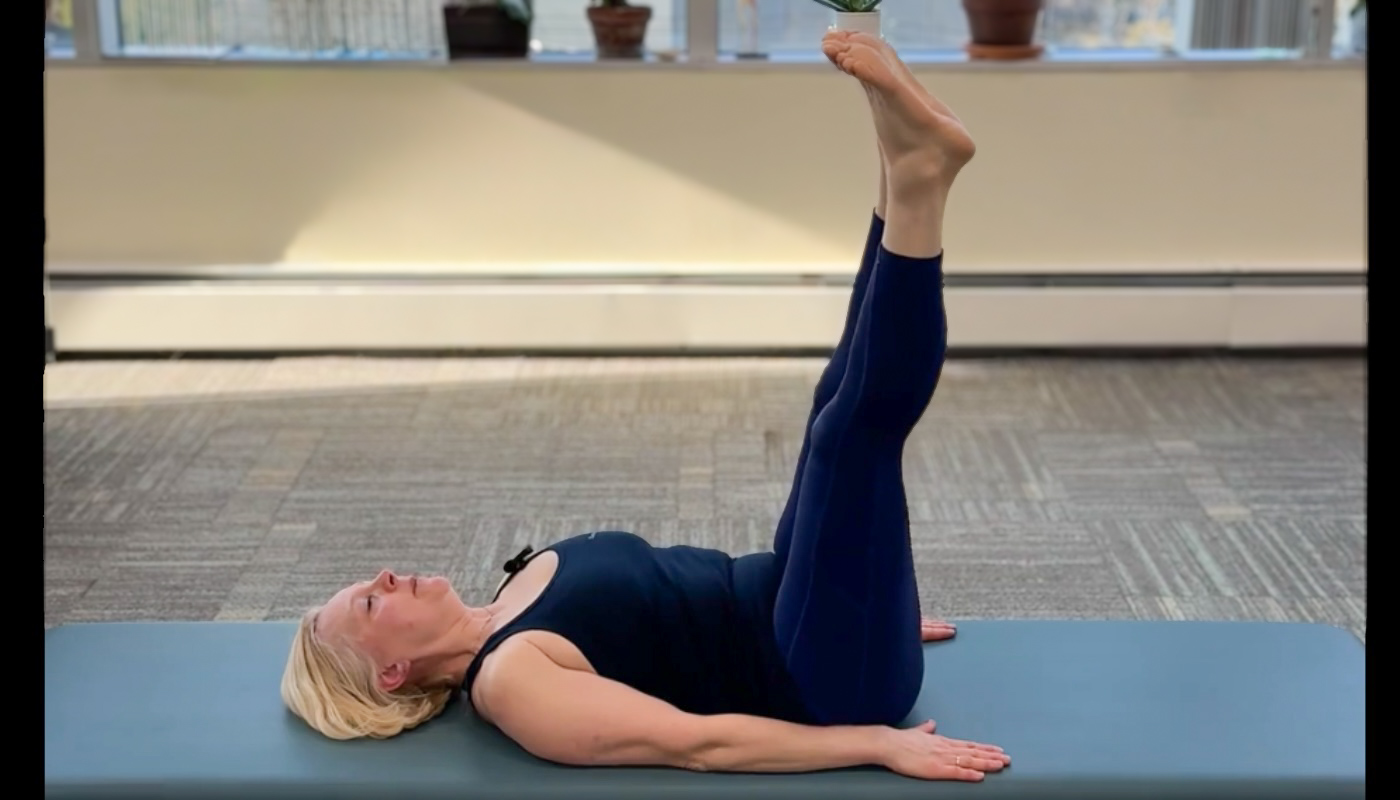
Can you tell when your pelvis moves because your leg moves?
Can you feel when your rib cage changes position as you raise your arms?
Are you aware that when you breathe, you may be expanding your abdomen rather than maintaining abdominal support?
Can you recognize when one arm or leg is doing more work than the other?
These are key skills that let you make practical use of being strong and flexible.
Because:
You Can Be Strong and Still Compensate
You can have strong abdominal muscles and still habitually use your lower back when you move.
You can have strong legs and still have difficulty stabilizing your pelvis.
You can have excellent shoulder flexibility and still lift your shoulders or shift your rib cage forward every time your arms go overhead or behind you.
And you can be very flexible while having difficulty controlling that mobility.
This is why strength and flexibility alone are not a foolproof recipe for moving well.
But:
Strength, flexibility, and body awareness combined give you a better foundation for moving well.
Throughout the day, we perform most movements automatically.
We stand up. Sit down. Walk. Reach. Bend. Turn.
Our nervous system becomes very good at repeating familiar movement patterns. Some serve us well. Others may involve more effort or tension than necessary.
The challenge is that a less efficient movement pattern can feel completely normal simply because we have repeated it thousands of times.
That is where awareness becomes so valuable.
You first have to recognize what you are doing before you can try to change it.
Awareness comes before correction.
And correction, repeated often enough, gives your body an opportunity to develop a different movement habit. It may not feel familiar at first, but over time, you can develop a new feeling—a feeling that tells you that you are making conscious changes to how you move your body.
You may have to call on that awareness every time you perform a particular movement. But that’s OK, because that is the skill Joseph Pilates pointed to: the will to control your muscles rather than simply relying on reflexes.
Pilates Should Teach You More Than Exercises.
Think back to when you first started learning Pilates.
Were you learning to stabilize your pelvis while moving your legs?
Were you practicing how to organize your shoulders before moving your arms?
Did you learn the term “Pilates scoop”? Did you understand in your own body what “engage your abdominals” actually means?
Did you get to practice how to use your breath while moving?
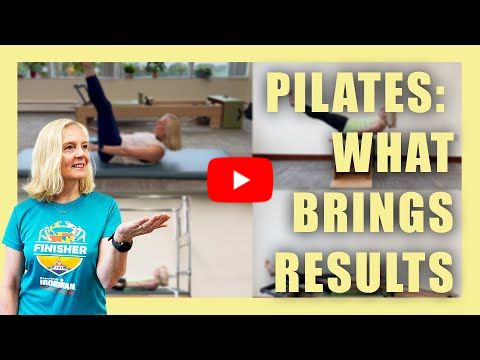
Watch the video below. You will find an overview of some of the fundamental concepts of well-organized movement here. :)
|
Now Try This During Your Next Pilates Session
Choose just one thing to pay attention to.
For example, notice your pelvis when you move your legs. Does it stay where you intend it to stay, or does it move with your legs?
Or pay attention to your shoulders when you move your arms. Do they remain organized, or do they lift or tense unnecessarily?
Focus on one of these aspects and observe it throughout your session.
Become aware.
Because:
Learning where to put your arms and legs teaches you an exercise.
Learning how to organize your body while you move teaches you a skill.
So Go Back to What You already Know - these fundamental concepts of well-organized movement:
Pelvic stability. Shoulder stability. Breathing while moving. Abdominal support for organizing the spine.
And ask yourself:
Do I understand them?
Can I feel when I am applying them - and when I am not?
Can I correct myself without waiting for someone else to tell me?
And if you are not sure you own these skills in your body yet, start asking questions.
Ask what you are supposed to be learning from an exercise.
Ask what should remain stable and what should move.
Ask what you should be feeling and what unnecessary tension you might be creating.
Become curious about how you move.
Because Pilates has the potential to give you something even more than strength and flexibility.
It can teach you how to maximize them both.
To Your Health
Joanna
Visit our website here, and you will find:
- “How I Teach Reformer” - review these fundamental movement skills before your next Pilates class
- Browse past Newsletters
- Use my follow along videos when you are in need of extra stretching
 |
“Ideally, our muscles should obey our will. Reasonably, our will should not be dominated by the reflex actions of our muscles.”
Joseph H. Pilates

Responses