Header Logo
Log In Free Resources
Log In
← Back to all posts
Connect

Head and Shoulders, Knees and Toes... What About My Wrists?

by Joanna Telacka
Jul 09, 2026

One of the questions I hear from time to time is:

"Why do my wrists hurt during this exercise?"

Sometimes the wrists are the problem. But often, they are simply giving us valuable information that the body isn't organizing the movement as efficiently as it could.

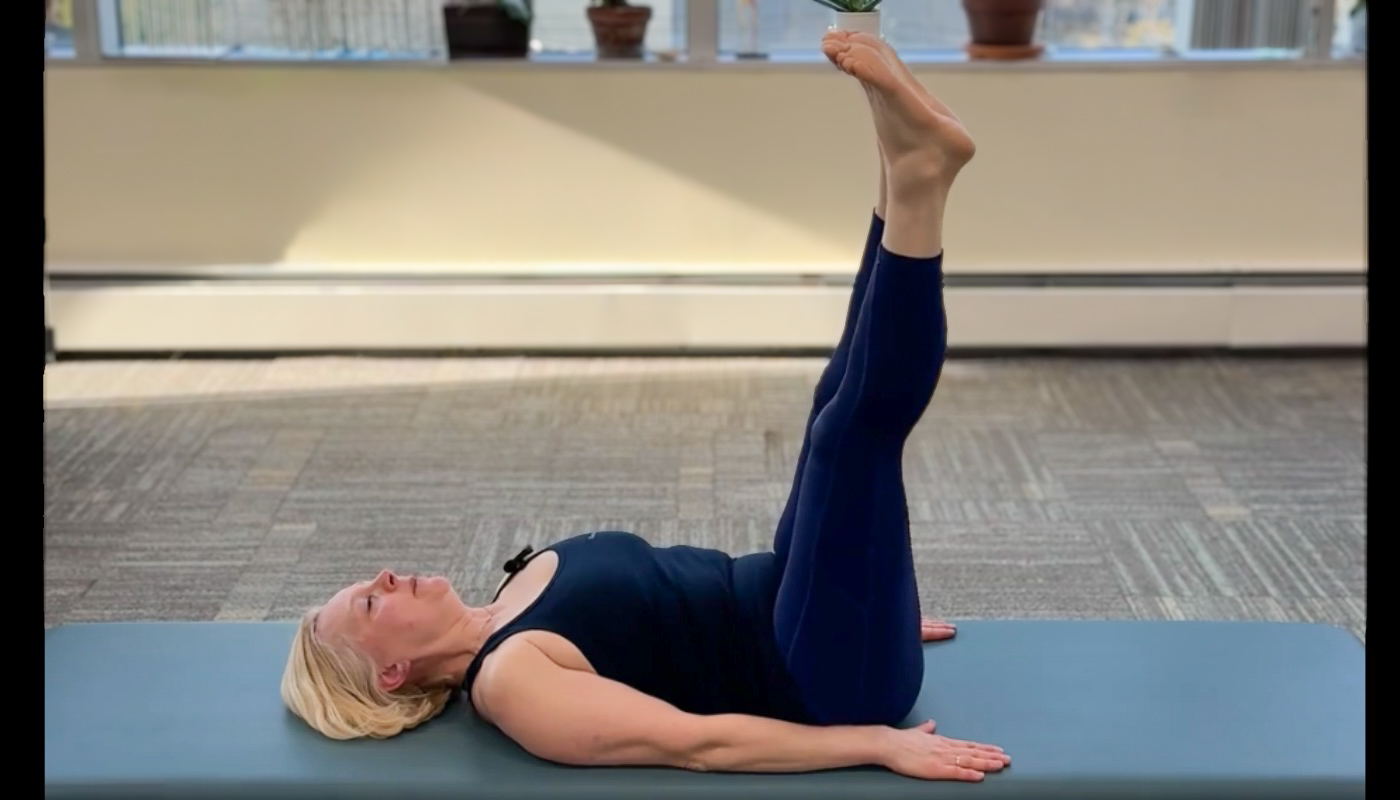
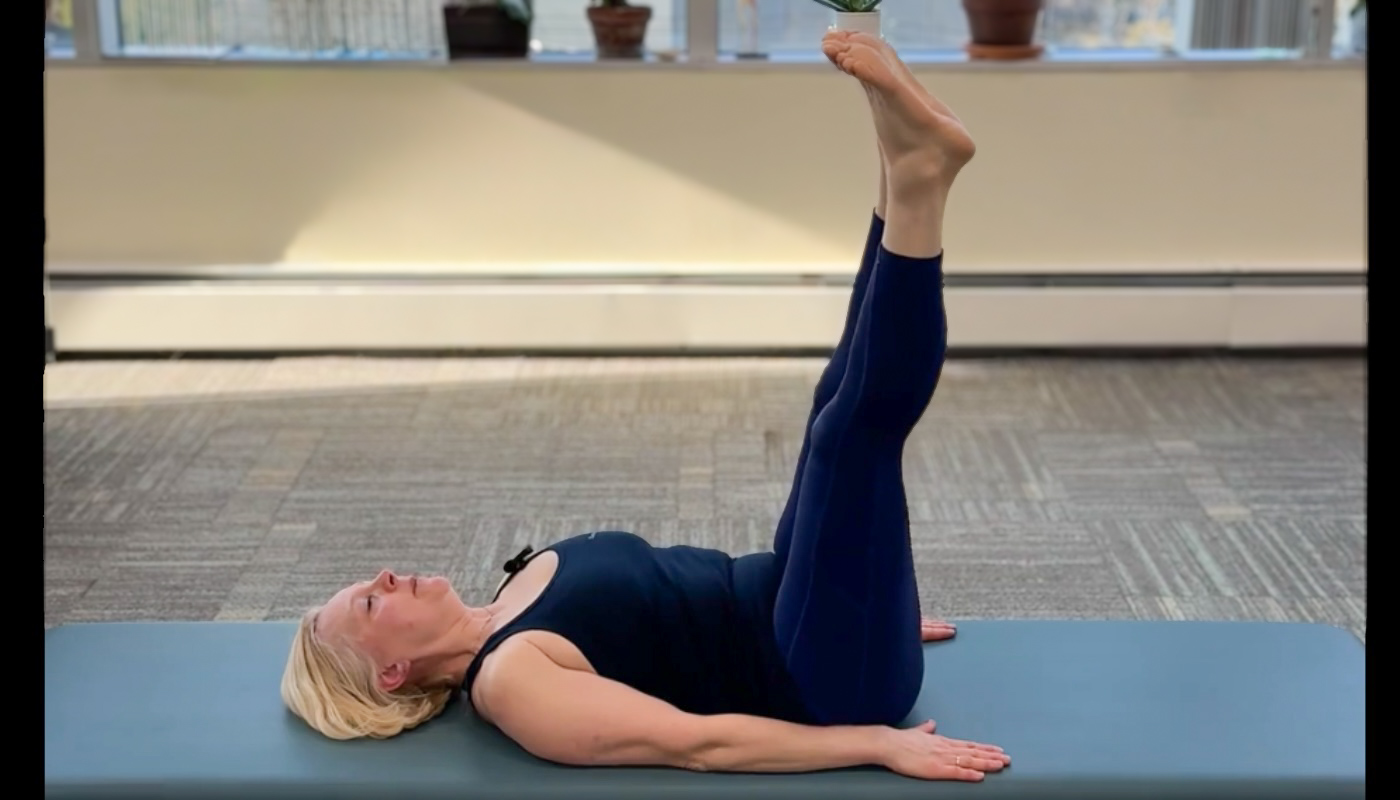
Whether you are practicing on the Mat or using the apparatus, your hands are the connection between your body and the equipment. That connection matters.

A small change in hand placement, wrist alignment, or the way you organize the muscles that support the shoulder girdle can completely change how the forces created by the exercise are distributed throughout the body.

After all, the springs are there to challenge your muscles, not your wrist joints.:)

When the wrists are aligned and the shoulder girdle is organized to support the movement, the resistance from the springs can be shared by the muscles of the arms, shoulders, trunk, and the rest of the body. That's what makes Pilates a whole-body exercise.

When that organization is missing, the wrists often end up absorbing more stress than they were designed to handle.

In the two videos below, I demonstrate a few adjustments that can make a surprising difference.

They may seem like small details, but when it comes to practicing Pilates, it's often these nuances that produce the biggest changes.

These videos have the same intro but the main content differs so for best results, watch both:)

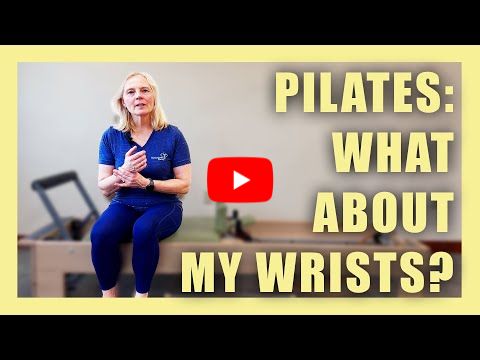
Troubleshooting Wrist Weakness During Pilates | Classical Pilates
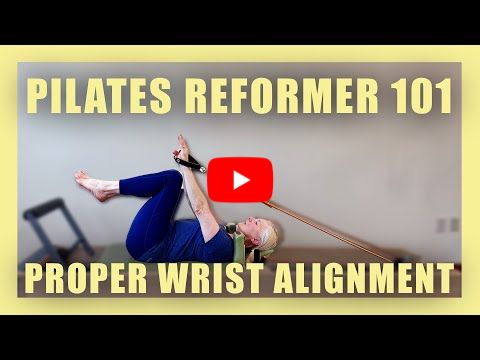
Wrist Alignment for Reformer Success | Classical Pilates Reformer Tips

The next time you notice discomfort in your wrists, ask yourself whether they are trying to tell you something about how your body is being supported throughout the movement.

Learning to recognize those messages is one of the most valuable skills Pilates can teach you, because the way you organize your body during exercise often reflects how you move throughout the rest of your day.

To You Health :)

Joanna
Responses

Join the conversation
t("newsletters.loading")
Loading...
Pilates Is Physical. But Your Mind Has to Show Up Too.
There is a comment I still hear regularly:“Wow. There is so much to think about.”And every time I hear it, I think: “Yes. Now we are beginning to understand what practicing Pilates asks of us.” :)You most likely know by now that Pilates isn't supposed to be a workout you perform while your mind is somewhere else.Yes, your body may be the part that is moving, but your mind has work to do too. So...
Already Strong and Flexible, So WHAT’S Missing?
Joseph Pilates wrote in his book: “Ideally, our muscles should obey our will. Reasonably, our will should not be dominated by the reflex actions of our muscles.” Let’s think about what that means. Here are two thoughts I had: Being strong is not the same as knowing how to use your strength. Being flexible is not the same as knowing how to use your mobility. Strength and flexibility are physical...
Your Pilates “moves” should be HOW big?
To Do Pilates Is to Constantly Explore Your Range of Motion (ROM) In Pilates, every movement is an opportunity to explore your range of motion (ROM) -   which is the amount of movement available at a joint in a particular direction. However, movement for movement's sake is not the goal. Instead, we strive to control our movements. Being aware of what to do and how to do it helps us achieve long...

Pilates Is A Way Of Life

Shining light on Pilates truths, honoring Joseph Pilates, and supporting you in your Pilates journey.
Footer Logo
Watch our YouTube channel Find Resources on Pinterest Join our Facebook group
© 2026 Harmonious Pilates, Inc
Powered by Kajabi

Join our Newsletter subscribers here