
Is Pilates Strength Training or the Foundation You Just Might Be Missing?
Strength training is important.
But I meet many people who have tried to become stronger and ended up getting hurt. They start lifting weights, something begins to hurt, they stop, and conclude that strength training simply isn't for them.
Can you relate?
From my experience, oftentimes the problem isn't strength training itself.
The problem is that they may not yet have the movement skills to manage the load they are trying to lift.
Recently, I noticed that there are many discussions about resistance training and strength training among my clients, people I meet and in the media. Sometimes they are even mentioned in the same sentence with the the Pilates method.
So I'd like to shed some light on the subject and put my two cents into this discussion.:)
The terms strength training and resistance training are often used interchangeably, but they are not the same thing.
Resistance training is the broader category. It simply means your muscles are working against some form of resistance. That resistance may come from body weight, gravity, springs, straps, resistance bands, or free weights.
Strength training is one type of resistance training. Its primary goal is to increase your body's ability to produce force. To achieve that, the resistance is gradually increased over time. This principle is known as progressive overload.
Pilates is a form of resistance training because your muscles work against the resistance of the springs, your body weight, and gravity.
But Pilates is NOT strength training.
Why?
Because the goals of Pilates and strength training are different.
In strength training, the increasing amount of weight, the load of the springs, or the tension of the resistance band is the challenge.
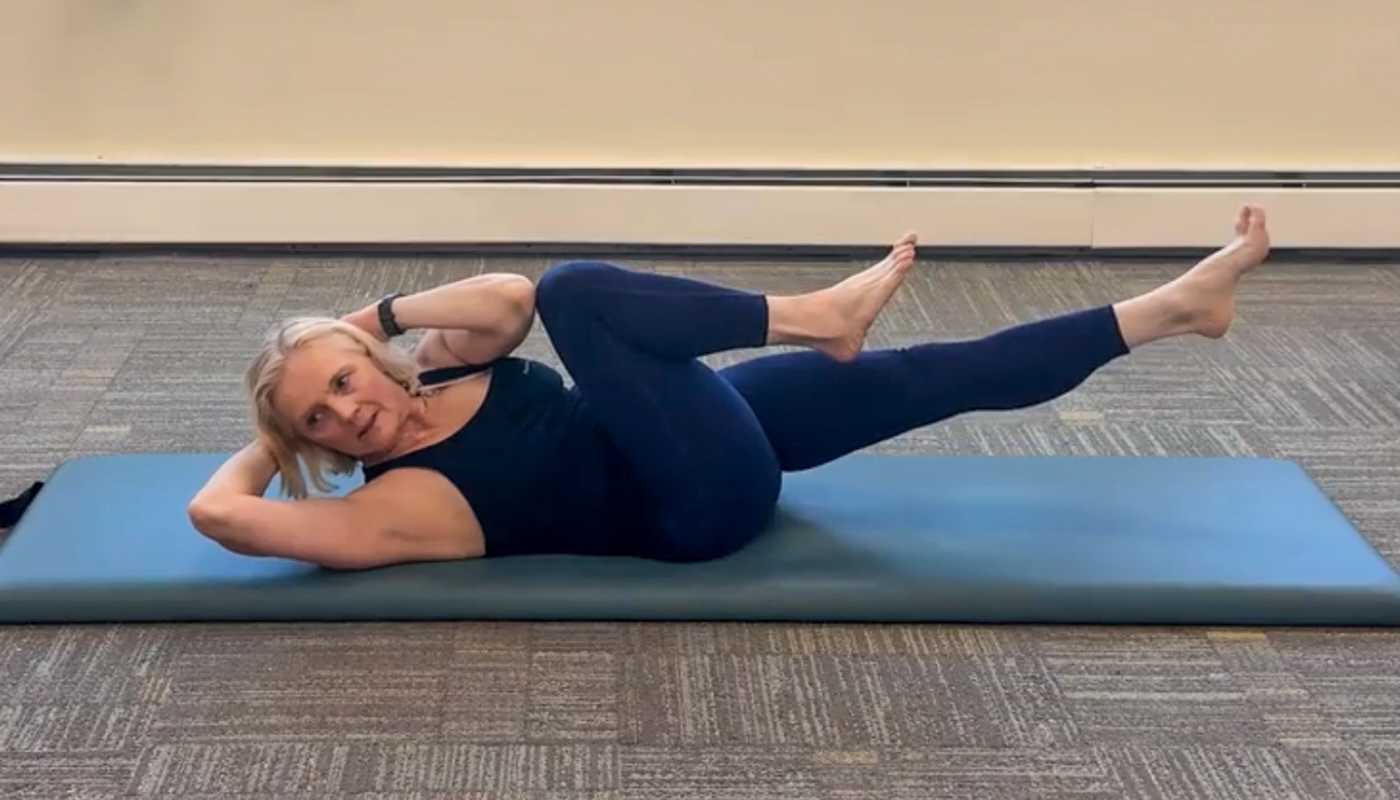
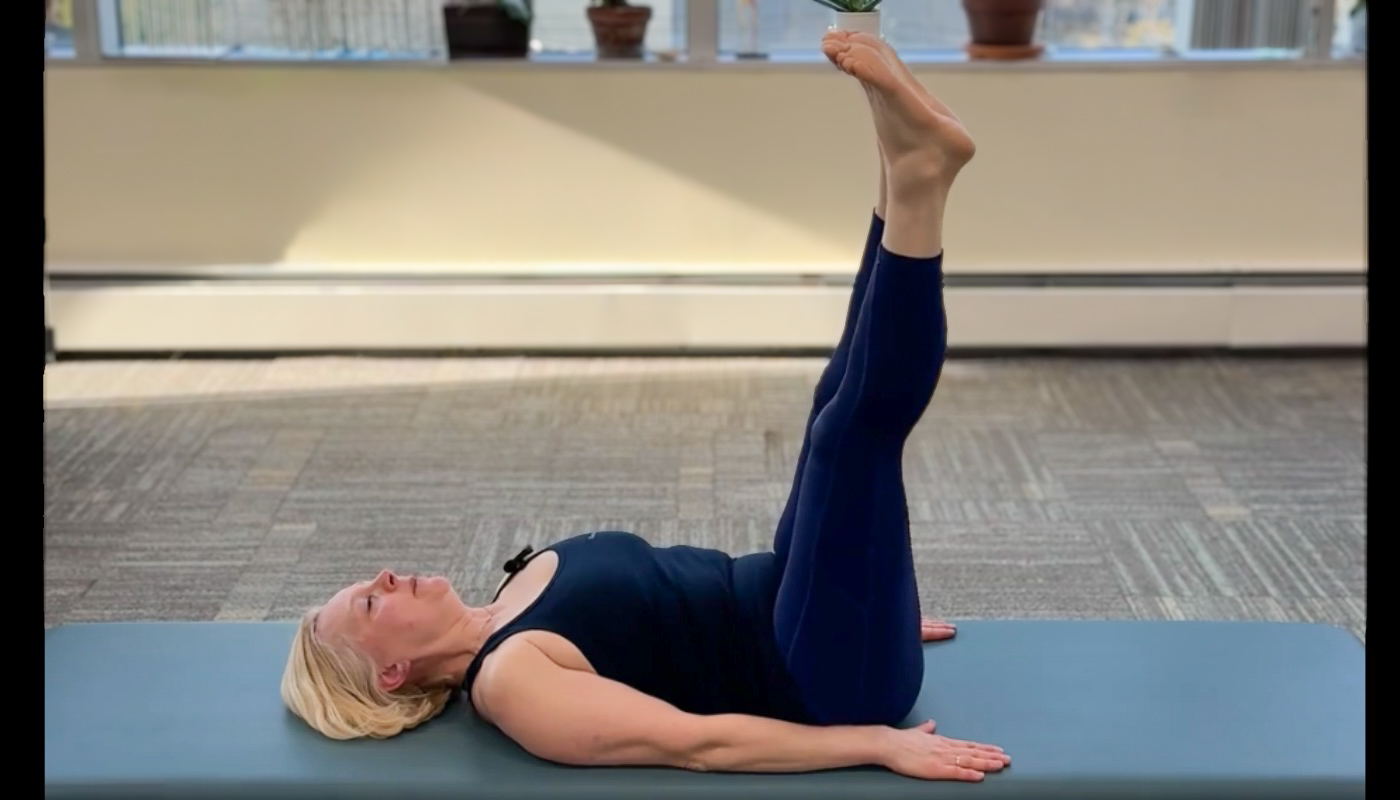
In Pilates, the way you organize your body while working against the resistance of the springs or gravity is the challenge.
The springs are not there simply to make your muscles work harder.
They help you become aware of how you align your spine and organize the muscles that support it, as well as the muscles that support your shoulder girdle, rib cage, pelvis, and legs while you move. The springs can provide support as well as challenge.
The progression in Pilates is often measured by improved body mechanics and movement patterns, not by how much external resistance the body can overcome.
Here is an overview of the goals, methods, and outcomes of both.
| Strength Training | Pilates |
|---|---|
|
Increases your ability to produce more force |
Improves the way you organize and control your movement. |
| Resistance is gradually increased over time. | Resistance provides support, challenge, and feedback. |
| Progress is measured by lifting more weight. |
Progress is measured by moving with greater control and precision. |
| The resistance is the primary challenge. |
The quality of the movement is the primary challenge. |
|
Builds strength by progressively increasing the load. |
Builds movement skills that support safe strength training. |
Sometimes You Need to Learn How to Lift Your Arm Before You Add a Weight
I work with clients who, when I first meet them, cannot lift their arms without immediately creating tension in their neck and upper back. Does that happen to you?
You lift your arms and the shoulders rise. The neck muscles tighten. The upper back tightens.
Now put a two-, five-, or ten-pound weight in your hands.
The weight does not improve your movement pattern. It simply adds load to a movement pattern that you already have.
So let's begin without any weight at all.
First, can you lift your arm without immediately tightening the muscles around your neck?
Can you recognize when that tension begins?
Can you release the muscles that do not need to be working so hard?
Can you learn to organize the shoulder girdle differently and use the muscles that can better support the movement?
That may take time.
Then perhaps we add one pound. Then two.
We use the Pilates method to develop the movement skills necessary to eventually use external load and benefit from strength training more successfully.
Because once you have that skill, you can take it with you.
You can practice at home or work with a trainer.
You can begin a strength-training program with a better understanding of how your own body responds to load.
Why Footwork on the Reformer is a resistance training but not strength training exercise?
Footwork may look like a leg press. You bend your knees.You straighten your legs.
The carriage moves against spring resistance. So isn't that strength training for the legs?
Not really.:)
If the goal were simply to make the legs stronger, we could keep adding springs and measure progress by how much resistance you could push.
But there has to be more to using the Reformer, this sophisticated piece of equipment, than simply pushing the carriage.
So before your legs move, organize your trunk.
Become aware of the position of your pelvis and spine.
Notice how your feet connect to the footbar.
Then move the carriage away from the footbar.
The springs certainly create resistance, and your leg muscles certainly work.
Your legs may become stronger as a result.
But simply moving the carriage is not the lesson.
The lesson is about beginning to understand what good spinal alignment feels like by organizing the body parts attached to the spine—your head, neck, rib cage, and pelvis—while lying down, where your body is no longer working against gravity in the same way it does when you are standing.
From there, you learn how to organize the muscles that support and stabilize your torso.
Then the springs challenge your ability to maintain that organization while your legs move.
The lesson is how you organize your body while experiencing the resistance of the springs.
That distinction matters.
This Is Why I Think of Pilates as a Base Layer
Strength is important.
But strength without awareness does not automatically produce better movement.
Awareness is what produces progress.
If you habitually tense your neck every time you lift your arms, adding more weight to your arms will not relax those muscles.
Quite the opposite.
So Pilates makes you become aware of our movement habits.
You notice, correct, and practice.
You learn how to stabilize one part of the body while another part moves.
You learn when effort is necessary, and when unnecessary tension is getting in the way.
Then, when more resistance is added, you have the foundation to build upon.
Pilates does not have to compete with strength training.
They serve different purposes.
Strength training can increase your capacity to produce force.
Pilates can help teach you how to organize your body while you use the strength you have, and how to develop the movement skills that may allow you to pursue greater strength more successfully.
That is why Pilates is not an alternative to strength training, nor is it strength training itself.
It is the simply the necessary base layer for you to learn how to efficiently use your body,
because awarness, in this case body awarness, creates progress:)
To Your Health!
Joanna

Responses