
A potential client called the studio recently wanting to join a Reformer class. She had taken Pilates elsewhere and wanted to continue.
I asked what kind of Pilates she had done.
“The kind with music,” she said.
So I asked a simple follow-up question: whether the exercises were taught in sequence—the same order each time, the way the classical method was designed to be practiced.
That’s when the tone shifted.
She paused, then asked, incredulous:
“Wait… you do the same exercises every time?”
“Yes,” I said. “The same order. Every session.”
She cut in immediately:
“Well, that’s not for me.”
Click.
The conversation lasted barely a minute, but it said everything about the current situation of how, unfortunately, most people (mis)understand Pilates.
Many choose movement that matches their personality: fast, varied, entertaining, ever-changing. A constant stream of novelty. It feels exciting. It feels productive. It feels like “more.”
But is it truly more when it doesn’t build lasting skills?
If it doesn’t build control?
If it doesn’t build proper body mechanics?
And it certainly doesn’t build the kind of movement that improves life outside the studio.
The truth is simple:
If the body never meets the same challenge twice, it never learns.
Why Repetition Is Not Boring—It’s Transformational
Joseph Pilates created an order in which the exercises should be performed on the Reformer as well as on the Mat, because the body learns through sequence and repetition.
The exercises are linked to each other, one exercise teaches us skills that are needed for the next exercise, and that one lays the foundation for the next one, and so on. They progress into each other, prepare and refine each other.
Repeating them is not monotony. It’s how:
* the nervous system maps out better movement patterns
* the brain stops “assuming” and starts directing
* strength develops in the weaker muscles
* mobility becomes available in stiff joints.
* the spine organizes with less effort
* the hips free up instead of gripping
As much as variety excites you, order changes you.
When you practice the same sequence, your awareness sharpens. Your control increases. You stop compensating without realizing it. You start feeling what healthy movement actually is—and that’s when the real transformation begins.
This is why Contrology was never designed as entertainment.
It was designed as education for the body.
Why This Matters for Real Life
Most people don’t connect the dots between how they move and how they live.
When you train your body to move with precision and intelligence, you are not just “getting stronger.” You are teaching your muscles and joints, how to work together in a coordinated way that supports everything you do in life. The "everything" can mean something different to each one of us, so I'm naming a few activities common, yet very important "every day " life activities here:
* carrying groceries
* standing/ sitting for long hours
* recovering from strain or avoiding it altogether
* running, walking, traveling
* playing with your grandchildren
* gardening
* pursuing athletic activities
This kind of improvement has no age limit.
None.
The oldest clients in my studio are a living proof. When movement is taught with clarity—and practiced consistently—the body continues to adapt, restore, and progress. It doesn’t matter whether you are 30 or 95 years old. The method meets you where you are and moves you forward from there.
The Real Lesson From the Phone Call
The woman who hung up wasn’t wrong for wanting something different. But she was choosing based on preference, not purpose.
And that’s worth examining.
Most people ask:
Do I enjoy this?
Far fewer ask:
Does this make me better?
Growth—physical and mental—requires some friction. It requires us to be mentally uncomfortable, puzzled actually, that we don’t know as much about ourselves as we assumed we did. A willingness to revisit the same movement, again and again, until your body (and mind) understands it well enough to do it with ease, is not for the faint of heart:) So buckle up!
Repetition is the investment.
Mastery is the return.
Classical Pilates doesn’t promise entertainment.
It promises evolution.
And if you stay with it long enough to let the work do its job, it delivers.
Before your next session—whether in the studio or at home—ask yourself:
Am I choosing movement that entertains me, or movement that teaches me?
The answer will tell you exactly what kind of progress you are preparing your body for, and whether or not you will benefit from your efforts long term.
The Repetition Test
Here’s a simple experiment that reveals why practicing the classical Pilates works:
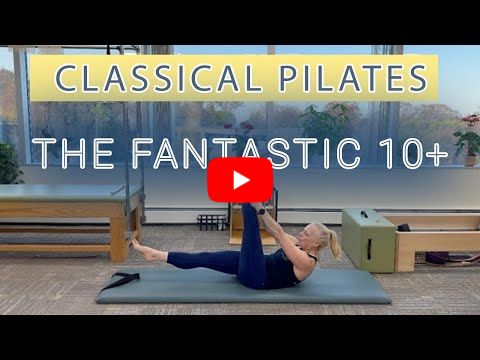
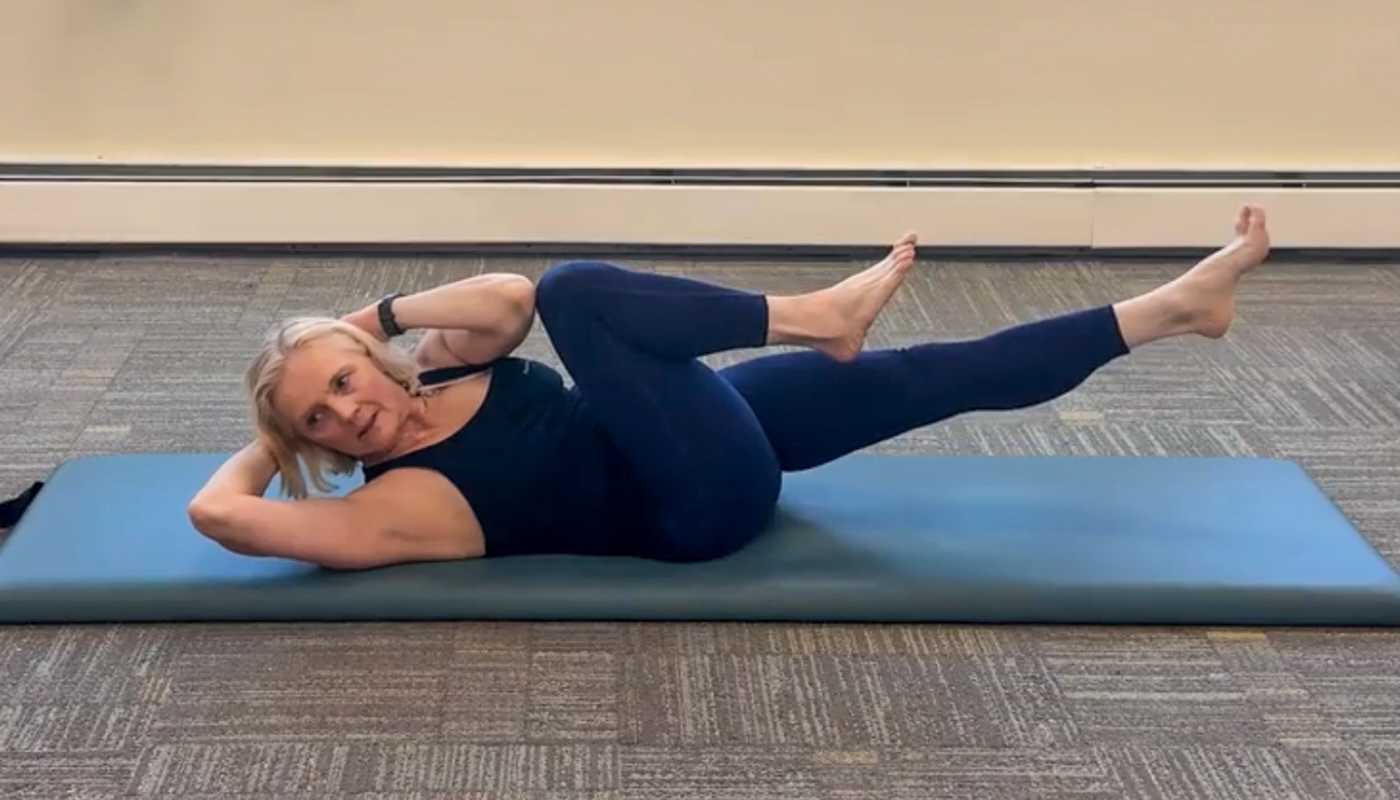
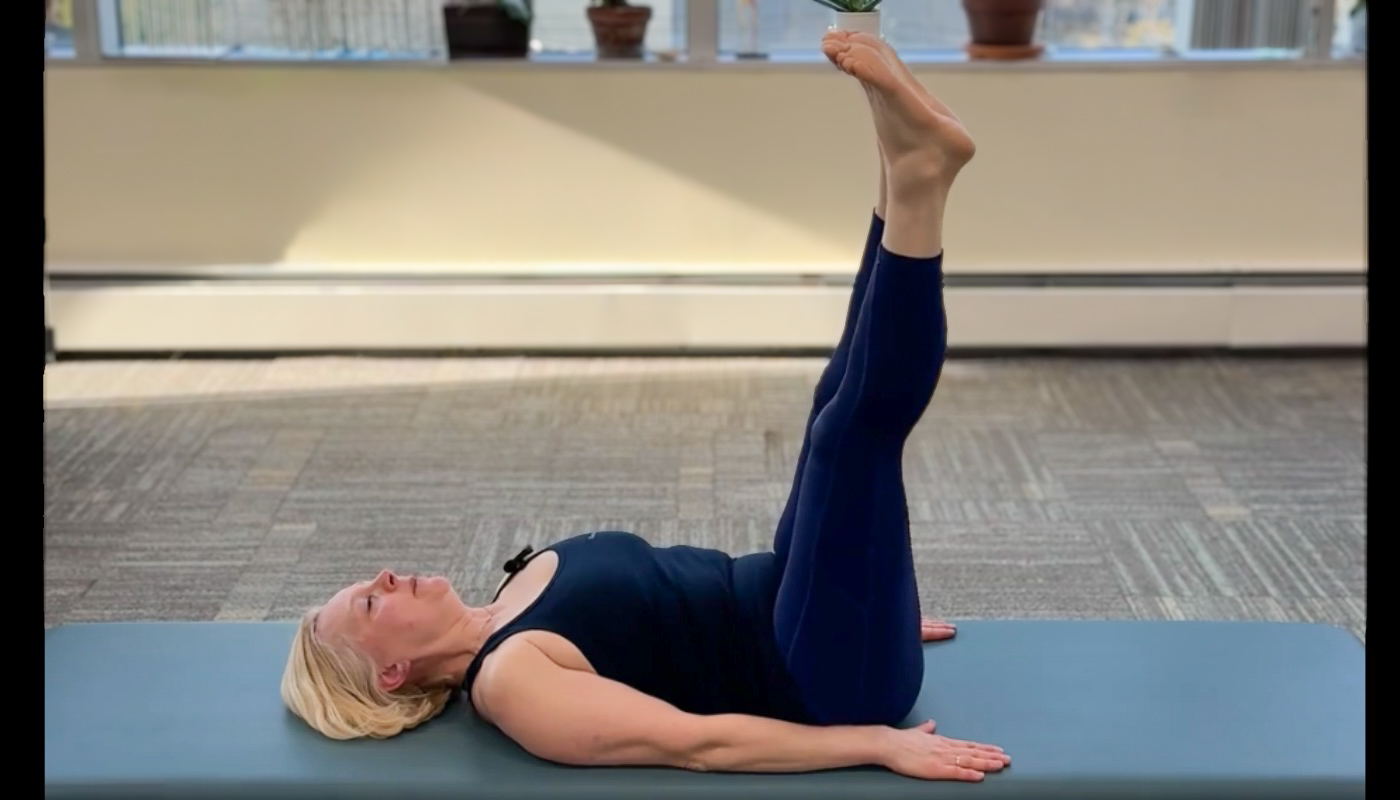
Choose one exercise this week. (You can use the video below)
Repeat it 5 days out of 7.
Same setup. Same pace. Same version.
After each time, note one thing that changed:
* a muscle you felt for the first time
* a detail that became clearer
* an adjustment that suddenly made sense
* something that became easier—or more perceivable
This tiny benchmarks shows what most people never get to experience:
Repetition isn’t doing it again.
Repetition is discovering what you couldn’t feel the time before this one.
And that’s the Joseph's Pilates :)
|

Responses