
The complex choreography of classical Pilates exercises can be overwhelming, not only for beginners but also for seasoned Pilates enthusiasts as they progress through the material. However, the work of Joseph Pilates goes beyond the choreography of the exercises.
Going deeper, learning and practicing how to activate the proper muscles to support the movements has a much greater impact on your body, mind, and spirit than just mimicking the choreography and counting repetitions. As you progress through the method’s numerous movements, the skills you master at the beginning tie into your present and future progress.
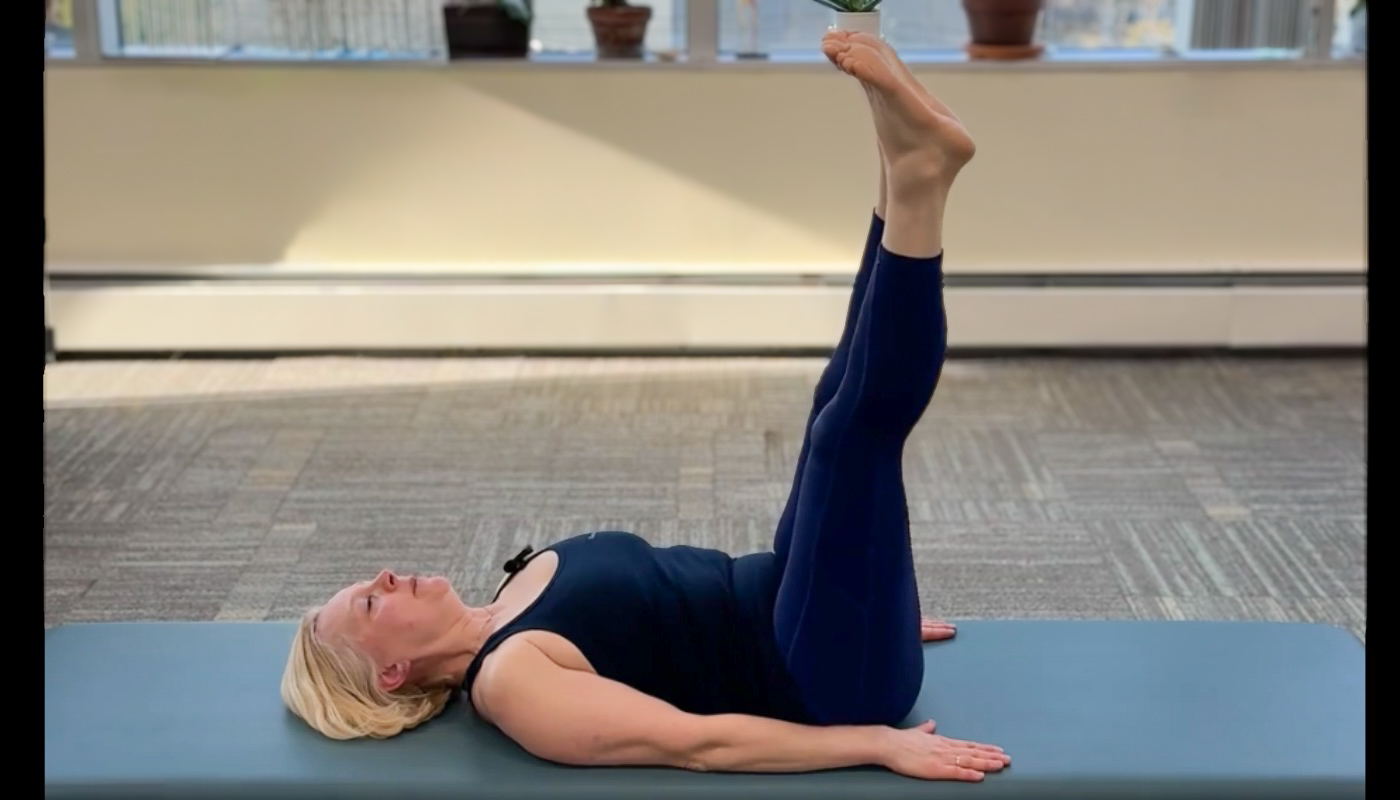
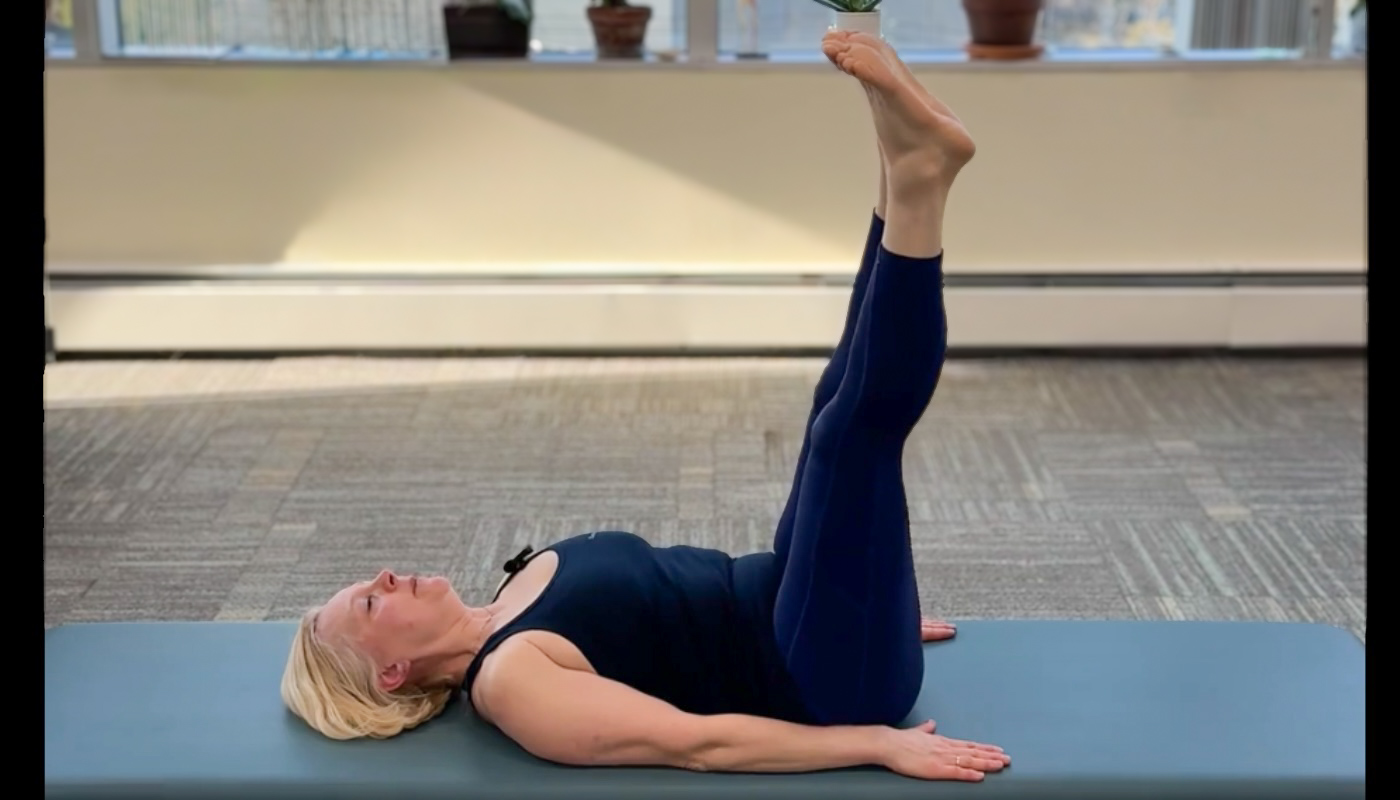
One of the main building blocks for your successful study of classical Pilates is to learn to recognize the neutral position of your pelvis and spine, and what it feels like. If you can master the skill of stabilizing your pelvis during leg movements, even in the most complex choreography, the exercises will feel good and benefit your lower back and hip joint health for years to come.
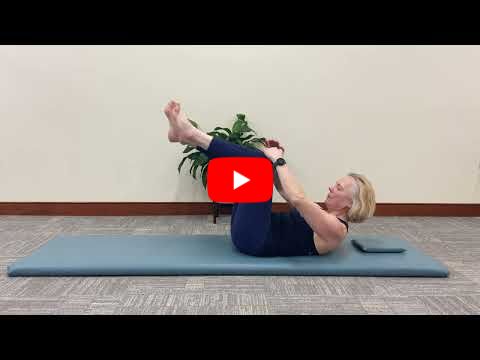
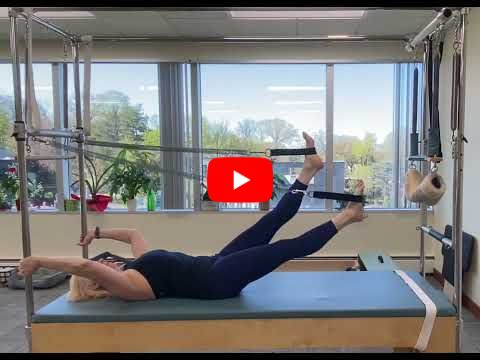
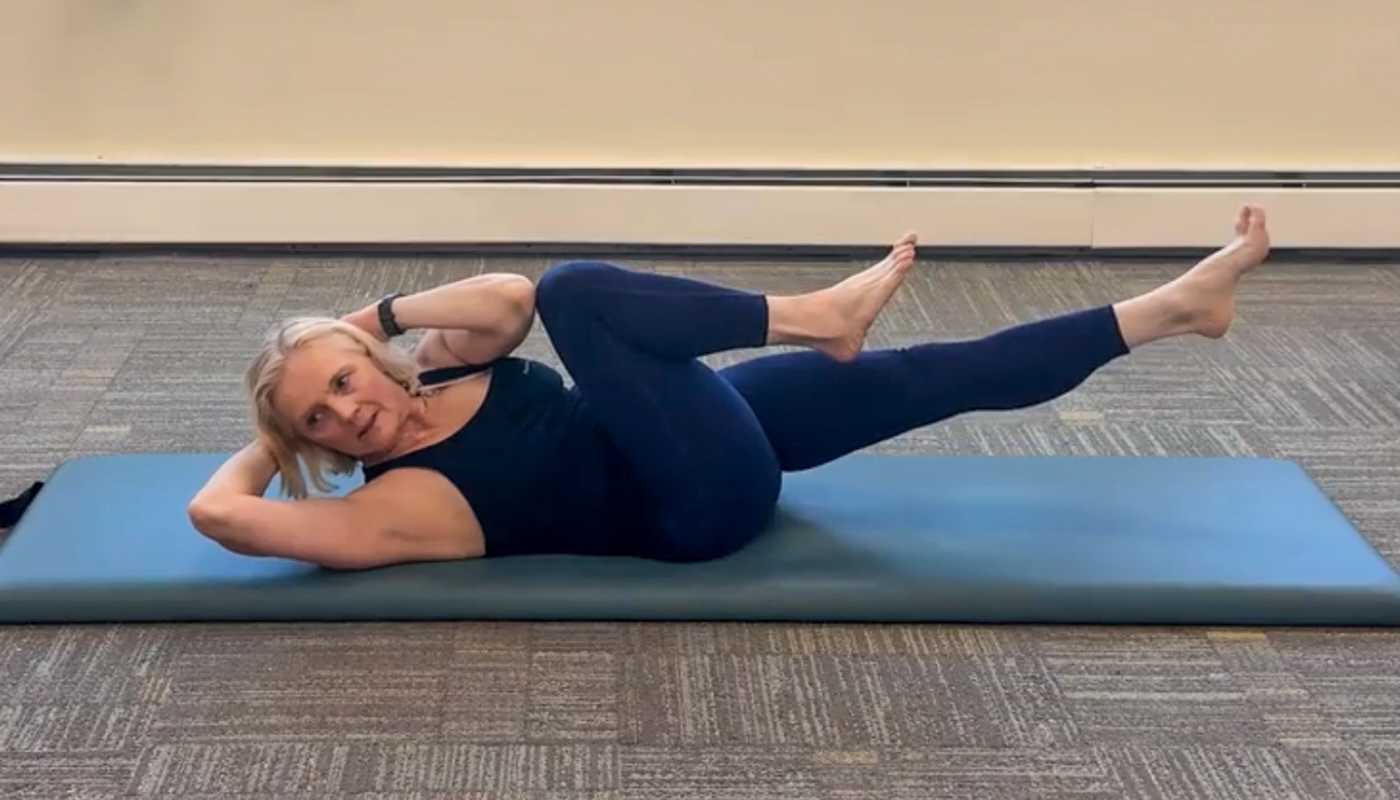
If you practice "Knee Folds" (which I teach in detail inside my course: "What Pilates Is: Essential Skills For Healthy Life"; https://classicalpilatesformodernlife.mykajabi.com/pilates-fundamentals-confidence-course ), then exercises like "Single Leg Stretch" on the Mat or "Walks" on the Cadillac should feel strengthening, satisfying, and safe.
Watch theese video clips and see if you can relate 😊
|
|
Each Pilates session should provide a small percentage (even 1% is great!) of positive change for your body and mind so that over time you experience enormous improvement in the way you carry yourself. The result will bring you closer to the goal of why you practice classical Pilates in the first place: uniform development.

Responses