
Spine health is the ability to function every day without pain and stiffness in any part of the spinal column. It is the comfort of living life without neck pain, upper back pain, or lower back pain.
A healthy spine is the foundation for our body's
overall mobility and proper posture.
Joseph Pilates’ movement technique a.k.a classical Pilates is a proven and effective method to heal an unhealthy spine as well as to prevent the healthy spine from injury.
He built his method on the scientifically proven fact that movement is the foundation of health and longevity. That is why the exercises that he designed include spine movement in all directions: flexion (bending forward), extension (bending backward), rotation (twisting), and lateral bending (bending to the side).
As teachers of his method, we introduce them gradually and in specific order to ensure that the body and mind can handle the intrinsic aspects of these carefully executed, precise movements.
1.Flexion: When we are bending forward the abdominal muscles contract pulling the spine forward while the muscles of the back relax allowing the movement to occur. We spent a good part of our day performing activities involving bending forward to reach for an object, to tie our shoes, to pet our 4-legged friend. ..
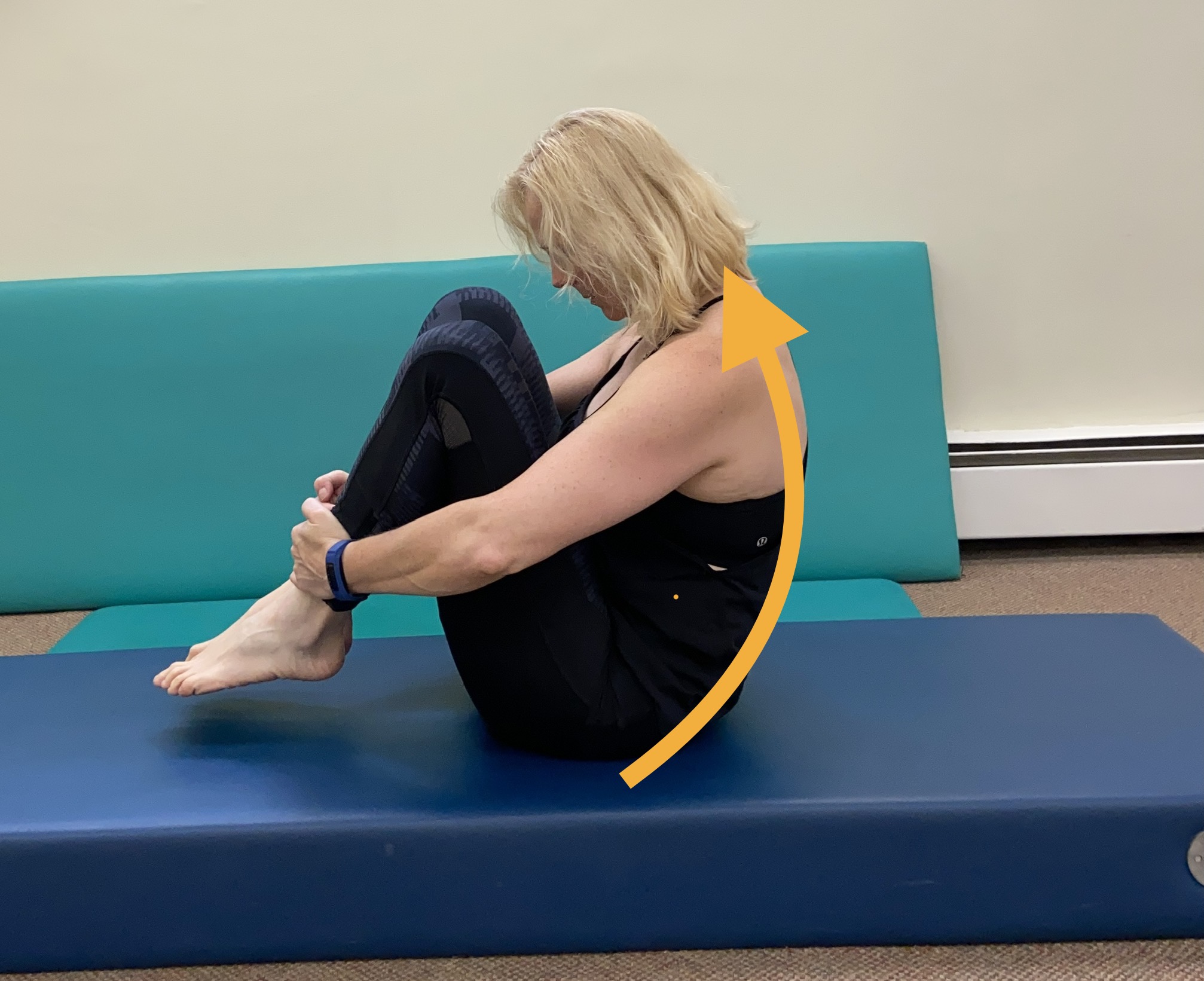
2.Extension: When we extend the spine, the muscles of the back contract and counteract the effects of spinal flexion, helping us to return to the upright position and maintain the natural curvature of the spine. The spine extension occurs when we look up at the ceiling, or the sky, when we are leaning back to have our hair washed, or even when we remember to stand up straight.
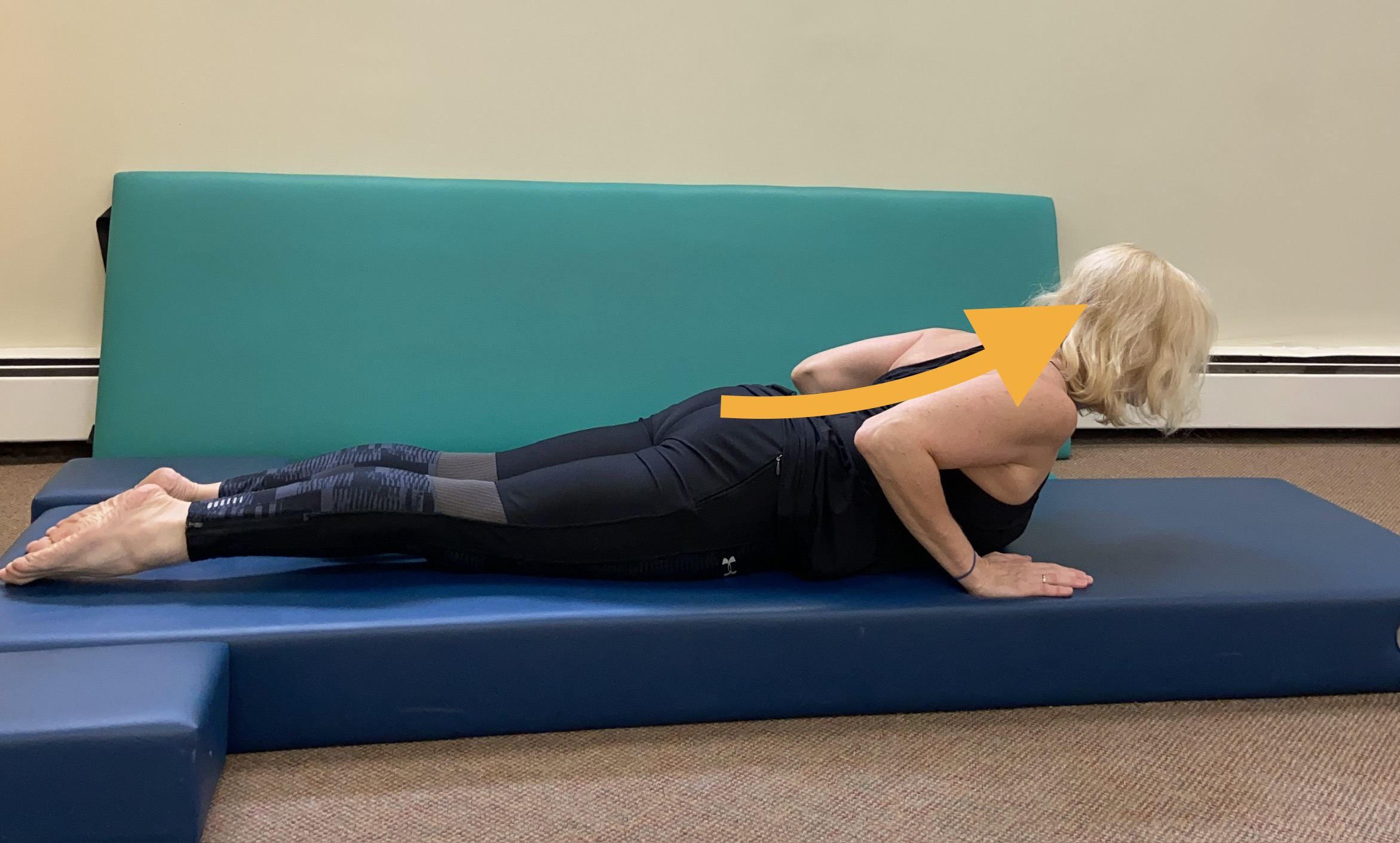
3.Rotation: Rotating the spine involves the muscles of the trunk such as obliques and multifidus muscles. The muscles contract and pull on different parts of the spine causing it to twist to the left or right. We rotate the spine all day long: looking over our shoulder while driving, while playing sports, or turning to talk to a friend or neighbor.
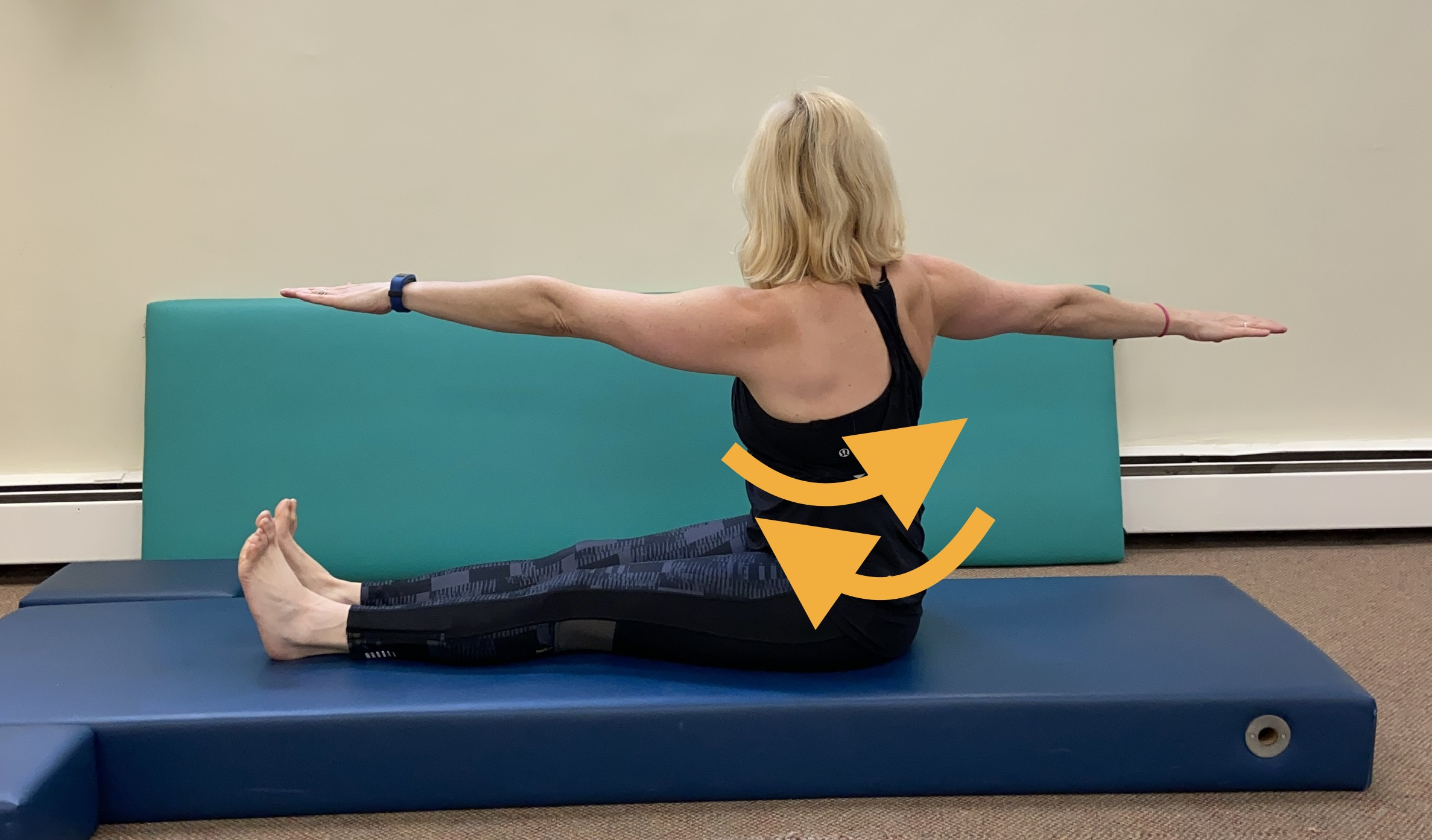
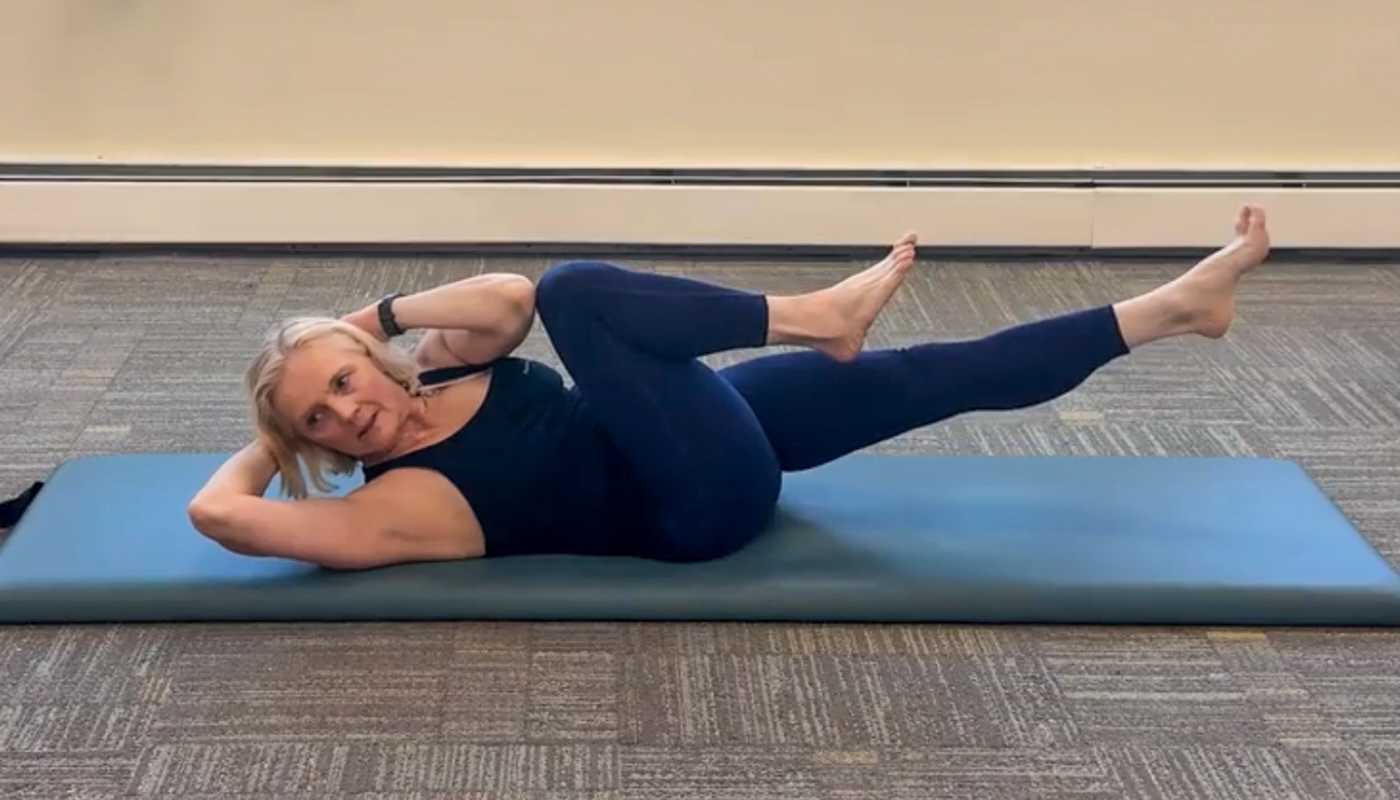
4.Rotation with Flexion: The spine rotates and flexes at the same time. During this complex movement, the muscles on one side of the spine engage to create rotation, while the muscles around the front of the spine (abdominals) pull the spine forward to flexion. Reaching for a pepper shaker across the Thanksgiving dinner table is a classic example of this kind of spine movement:)
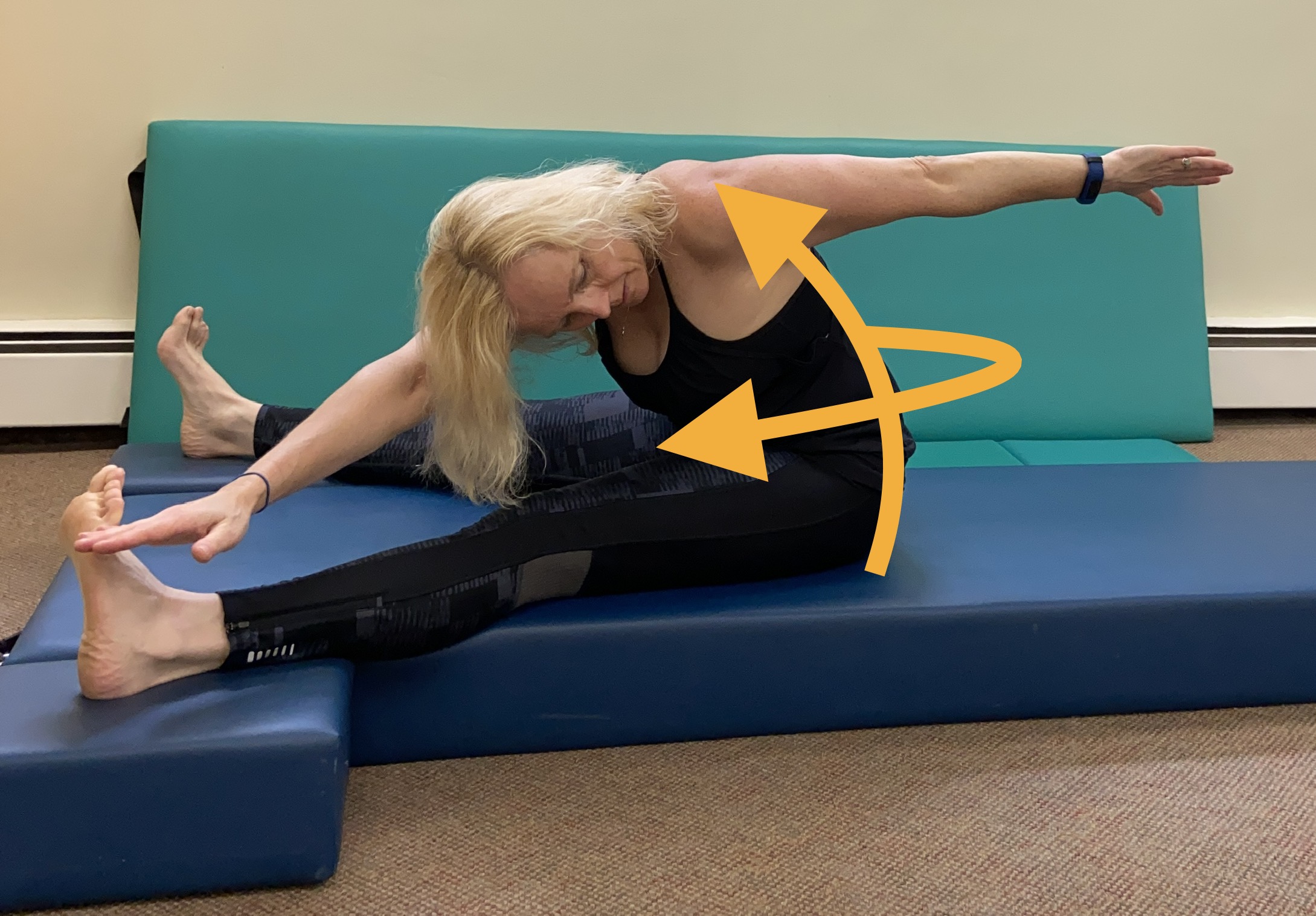
5.Lateral bending: In the action of lateral bending of the spine the muscles on one side contract while simultaneously the muscles on the opposite side stretch. The effect is that the spine flexes to one side. This motion is surprisingly essential for various daily activities, such as reaching for something up on the shelf or even tying our shoes.
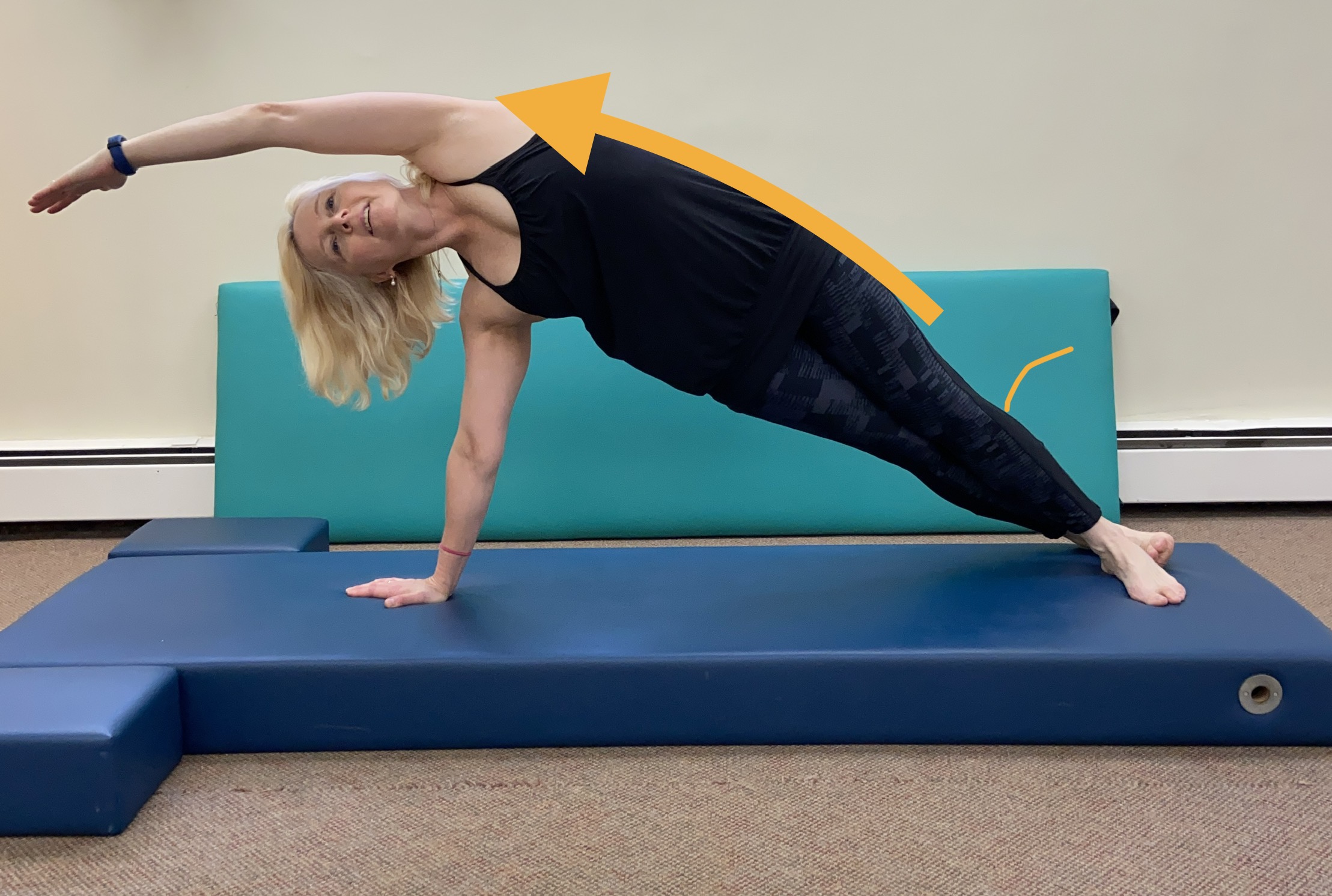
My two cents
Movement in all directions with utmost precision and control promotes mobility and strength in the spine which in turn reduces the risk of musculoskeletal problems and improves overall physical well-being.
Having made all of those positive statements about the importance of spine movement in all directions, I cannot emphasize enough what I know is true.
To effectively maintain spine health or to achieve spine health one must strictly follow the exercises that Joseph Pilates designed and taught to his own clients and adhere to guidelines he had laid out in detail in his book "Return to Life".

Responses