
There is a comment I still hear regularly:
“Wow. There is so much to think about.”
And every time I hear it, I think: “Yes. Now we are beginning to understand what practicing Pilates asks of us.” :)
You most likely know by now that Pilates isn't supposed to be a workout you perform while your mind is somewhere else.
Yes, your body may be the part that is moving, but your mind has work to do too.
So why should you be doing all that thinking?
Because your mind has to stay involved in how you are moving:)
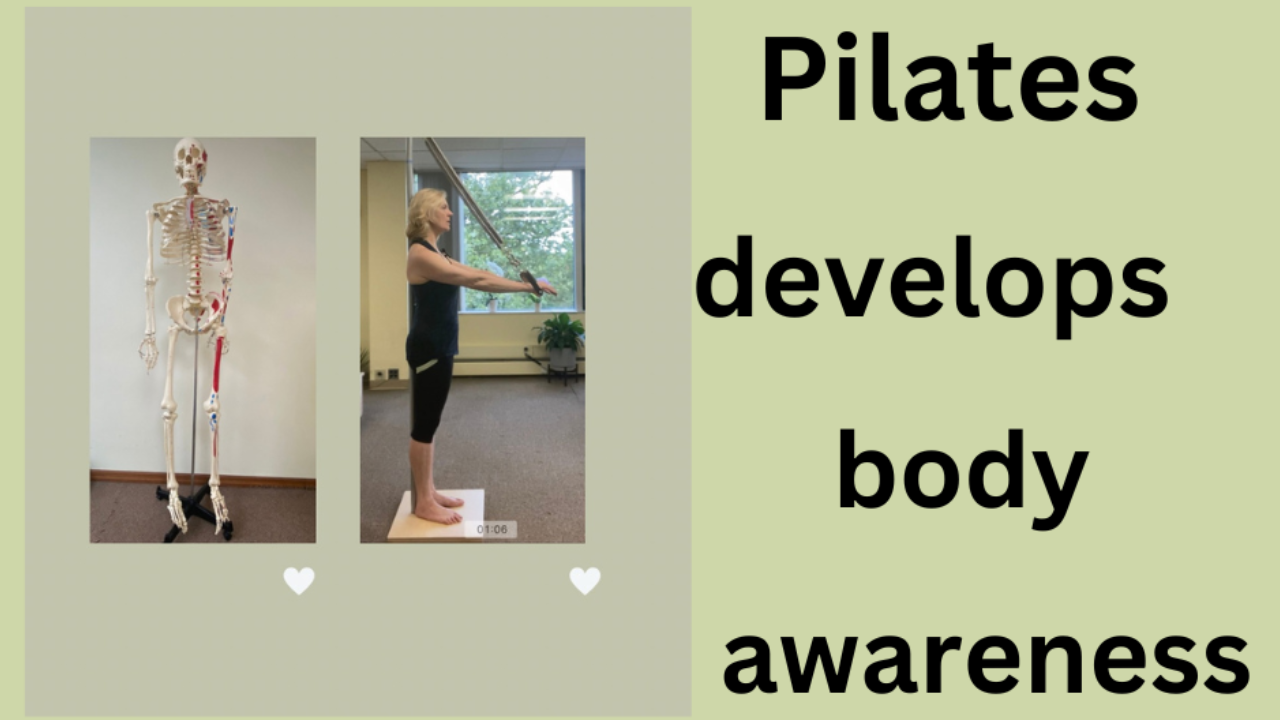
Last week, I asked you to think about your pelvis, your shoulders, your breathing, your abdominal support, and the unnecessary tension you may be creating. I talked about body awareness.
Now, let’s talk about another reason I keep asking you to notice these things.
Because they require your mind to participate in the movement.
Joseph Pilates did not separate the body from the mind.
He wrote about:
“...a coordinated and balanced tripart unity of body, mind, and spirit.”
The physical work you do when practicing his movement method was never intended to happen without mental participation.
Sometimes You Have to Slow Down to Do More
Why?
Because when you slow the movement down, you have more opportunity to notice what your body is actually doing.
You have time to feel, and to notice, so you can decide whether you need to make an adjustment.
That is how you learn to control your movement rather than simply get through it.
Slowing down gives your mind time to participate.
And when your mind participates, the quality of the work changes.
You stop simply performing the exercise and begin studying your own movement.
The More Aware You Become, the More There Is to Explore
An exercise you have performed hundreds of times does not have to become mindless simply because you know the choreography.
There is always something to observe.
How does this repetition feel compared with the last one?
Can I create more length?
Can I use less unnecessary tension?
Can I recognize something today that I could not recognize six months ago?
As your awareness develops, an exercise you thought you already knew can give you something new to work on. The exercise may be familiar, but your experience of it does not have to be.
The more willing you are to explore what is happening in your body, the more deeply your mind becomes involved in the work.
And perhaps that is one of the reasons the Pilates repertoire does not have to become boring simply because the exercises become familiar.
Knowing an exercise gives you the opportunity to stop thinking so much about what comes next and start paying closer attention to how you are doing it.
Now Let's Put This Into Practice
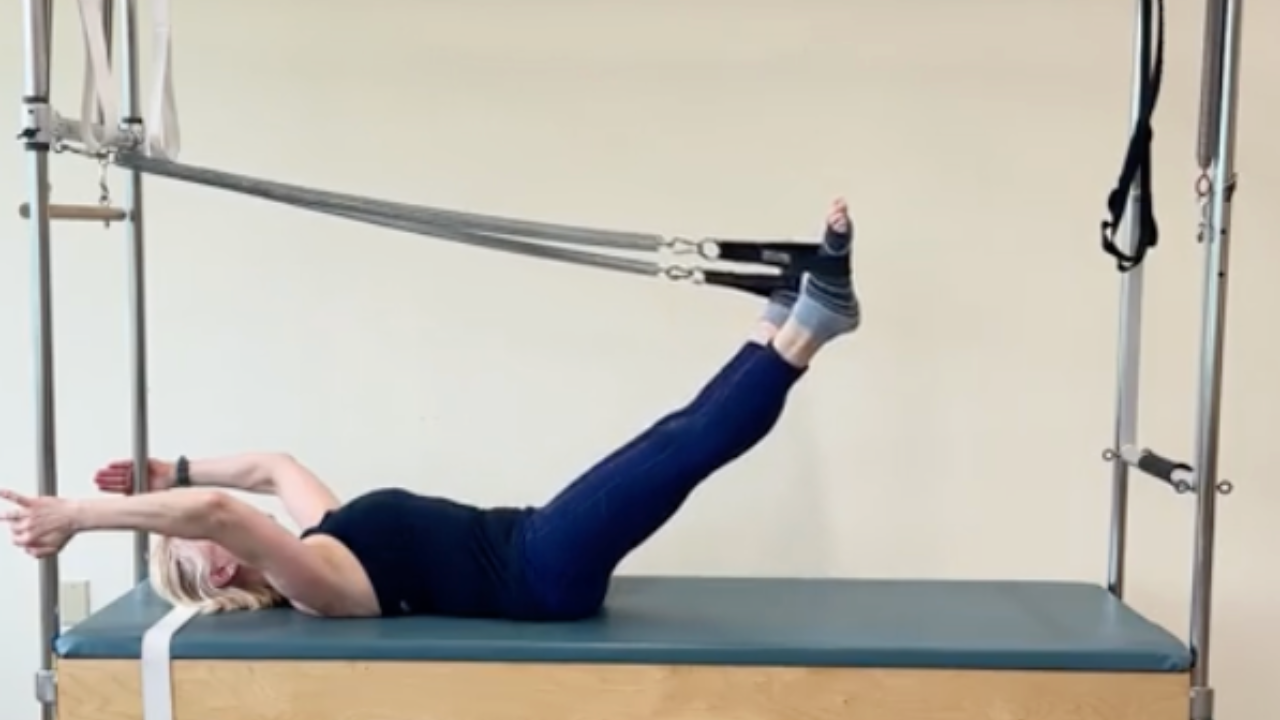
Here is a video of me performing the Intermediate level of the Classical Pilates Mat.
 |
If these exercises are appropriate for you and you already know how to perform them, practice along with me.
But give yourself a different assignment this time.
Don't make completing the whole workout your only goal. Make staying mentally present your focus.
Choose a skill to pay attention to today. It can be your pelvis, your shoulders, or the way you manage your breathing while moving. If you choose to focus on your pelvis today, keep bringing your attention back to it as you move through the exercises.
Can you feel where it is?
Can you recognize when it moves or stays still?
Can you tell whether you intended for it to move or if it is being pulled by the movement of your leg or legs?
If your mind starts to wander, bring it back and keep moving.
And when you finish the workout, ask yourself:
How often was I actually aware of what my body was doing?
When my attention wandered, was I able to bring it back?
Did I notice something about my movement that I hadn't noticed before?
That is part of the work.
Your body moves. Your mind observes, learns, directs, and adjusts.
The more involved your mind becomes, the more there is to discover about how your body moves.
And that is when you begin to experience Pilates as more than a series of exercises.
You begin to practice the method.:) So Happy Practicing!
To Your Health!
Joanna
Keep Learning. Keep Exploring. Keep Moving.
Continue beyond this week's newsletter:
- Review the foundational Reformer exercises I teach in a series of videos, and take them into your next Pilates session.
- Browse past newsletters for more about "how" to practice Pilates.
- Choose a follow-along video when you need some extra stretching.
 |

Responses